




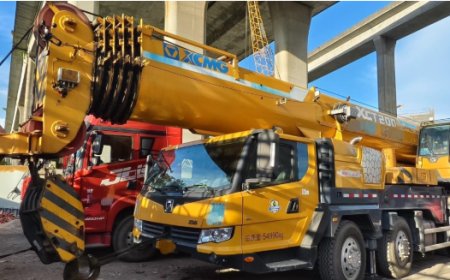

























Tree Removal: A Complete Guide to Safe and Professional Tree Removal
Tree removal isn’t just about clearing space—it’s about safety, property protection, and sometimes even necessity. Whether it’s due to storm damage, disease, or structural risk, removing a tree the right way protects everything (and everyone) around it. Always consult a professional, understand the costs, and follow local laws before making the cut.

Tree removal might sound straightforwardjust cut it down, right? Not exactly. Removing a tree is a risky, technical process that requires careful planning, the right tools, and trained professionals. Whether the tree is diseased, dead, or simply in the wrong spot, proper removal ensures safety for your home, your family, and your property.
In this complete guide, well walk you through everything you need to know about tree removalfrom signs it's time to remove a tree to how to choose the right service and what costs to expect.
Why Tree Removal May Be Necessary
Not every tree canor shouldbe saved. Here are some common reasons for tree removal:
1. The Tree is Dead or Dying
A dead tree is a ticking time bomb. Its structure weakens over time, making it more likely to fall during a storm or high wind. Plus, it attracts pests like termites and beetles.
2. It's Posing a Safety Risk
Is your tree leaning dangerously toward your house? Are limbs hanging over power lines or your roof? These are red flags. Removing the tree may be the safest choice.
3. Severe Storm Damage
If a tree has been damaged in a storm and has broken limbs, cracks in the trunk, or visible root upheaval, removal might be the best and safest option.
4. It's Affecting Structures or Utility Lines
Tree roots can invade plumbing lines, crack driveways, and lift sidewalks. If a tree threatens infrastructure, it has to go.
5. It's Causing Overcrowding
Sometimes trees grow too close together and compete for sunlight and nutrients. Removing one can improve the health of the others.
Tree Removal Process Explained
Tree removal isn't just about cutting and haulingits a step-by-step process that must be handled carefully.
Step 1: Initial Inspection
An arborist or tree expert will assess the trees condition, location, and potential hazards to decide the safest removal method.
Step 2: Preparation and Equipment Setup
The crew sets up safety barriers and brings in tools like chainsaws, cranes, and wood chippers. Safety gear is a musthelmets, goggles, and harnesses.
Step 3: Branch Removal
They start from the top, removing branches section by section to reduce weight and prevent uncontrolled falls.
Step 4: Trunk Sectioning
The trunk is cut into smaller sections from top to bottom and lowered to the ground carefully.
Step 5: Clean-Up and Disposal
Once everything is on the ground, the wood is either hauled away, turned into mulch, or cut into firewood.
DIY Tree Removal vs Professional Tree Removal
Thinking about taking it down yourself? Think twice.
Why DIY Can Be Dangerous
-
Falling limbs can crush roofs, cars, or worse.
-
Without proper technique, trees can fall unpredictably.
-
Power tools + lack of experience = recipe for injury.
-
Tree removal near power lines is extremely risky.
Why Hire a Professional
-
They have the right equipment and training.
-
Insurance covers any damage (yours wont).
-
They can remove the tree safely, quickly, and cleanly.
How to Choose a Tree Removal Company
Not all tree service companies are created equal. Heres what to look for:
1. Licensing and Insurance
Make sure theyre licensed in your area and carry liability and workers comp insurance.
2. Certified Arborists on Staff
A certified arborist has formal training and experience in tree biology and safety.
3. Transparent Estimates
Avoid vague quotes. A trustworthy company offers written estimates that explain the cost.
4. Reviews and References
Check Google, Yelp, and local directories. Word of mouth goes a long way, too.
5. Equipment and Safety Standards
They should follow OSHA guidelines and use ANSI A300 standards for tree care.
Tree Removal Costs: What to Expect
Tree removal prices can vary widely depending on a few key factors.
Average Cost Breakdown
-
Small Tree (under 30 ft): $150$500
-
Medium Tree (3060 ft): $400$1,000
-
Large Tree (60100 ft): $800$2,000+
-
Very Large/Complex Trees: $2,000+
Cost Factors
-
Tree height and width
-
Tree species (some are harder to cut)
-
Location (tight spots are harder)
-
Accessibility for equipment
-
Emergency or storm-damaged trees
Permits and Legal Considerations
Some cities require a permit to remove a tree, especially if its in a historic district or protected species. Check with your local city or county office before taking any action.
Removing a tree without permission can result in fineseven if it's on your own property!
After Tree Removal: What Comes Next?
Taking down the tree isnt the final step.
1. Stump Removal
Leaving the stump can lead to rot, pest infestation, and regrowth. Stump grinding is fast and affordable.
2. Wood Disposal
You can choose to:
-
Haul it away
-
Turn it into mulch
-
Use it for firewood
3. Replanting Options
Want to replace the tree? Go for a native species or one better suited to your space.
Eco-Friendly Tree Removal Tips
You dont have to be wasteful. Heres how to make tree removal a little greener:
-
Use the wood for mulch or firewood
-
Recycle large logs into lumber
-
Avoid chemical stump killers
-
Plant a new tree in its place
Final Thoughts
Tree removal isnt just about clearing spaceits about safety, property protection, and sometimes even necessity. Whether its due to storm damage, disease, or structural risk, removing a tree the right way protects everything (and everyone) around it. Always consult a professional, understand the costs, and follow local laws before making the cut.
FAQs
1. Do I need permission to remove a tree on my property?
In many cities, yesespecially for protected species or large trees. Always check with local regulations.
2. Can I remove a tree myself?
Only if its small and easy to access. For anything taller than 15 feet, call a pro. Safety first.
3. How long does tree removal take?
A small tree might take an hour or two. A large, complex tree can take a full day or more.
4. Is stump removal included in the price?
Not always. Its often an add-on, so make sure to ask upfront.
5. Whats the best season for tree removal?
Winter is often idealtrees are dormant and easier to manage. But emergencies can happen anytime.