




























How Temperature and Humidity Monitoring System Enhances Emergency Responder Radio Communication System Performance
Explore how a temperature and humidity monitoring system plays a vital role in maintaining emergency responder radio communication system reliability and performance in critical situations.


Introduction: Why Environment Affects Emergency Communication
When emergencies occur, clear and stable communication can make the difference between a successful rescue and a failed mission. Whether its firefighters inside a high-rise or paramedics in a hospital basement, their radios need to function perfectly. However, one often-overlooked factor that affects radio performance is the indoor environmentparticularly temperature and humidity.
Thats where a temperature and humidity monitoring system becomes essential. When integrated properly, it protects the integrity of the emergency responder radio communication system, ensuring that first responders never lose contact due to fluctuating environmental conditions.
Understanding the Basics: What Are These Systems?
Lets begin by breaking down the two main technologies at the heart of this discussion.
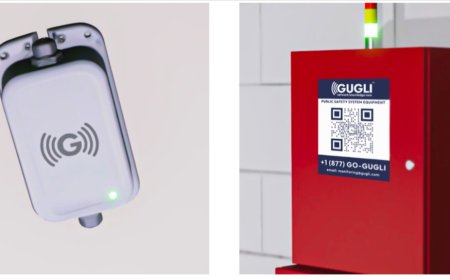
Temperature and Humidity Monitoring System
This system constantly measures and reports changes in environmental conditions, focusing on:
-
Indoor temperature levels
-
Humidity percentage
-
Airflow patterns (in some setups)
-
Alert notifications when thresholds are crossed
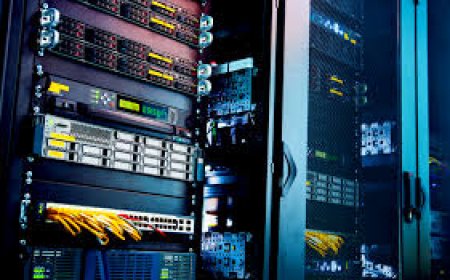
These systems are common in data centres, medical labs, and now increasingly in buildings that host critical communication systems.
Emergency Responder Radio Communication System (ERRCS)
This is a dedicated communication infrastructure installed within buildings to ensure uninterrupted radio service for police, fire, and rescue teams. It typically includes:
-
Bi-directional amplifiers
-
Antennas
-
Signal boosters
-
Distributed antenna systems (DAS)
These components must work smoothly in all areas of a building, including stairwells, underground parking lots, and mechanical rooms.
The Link Between Environment and Communication Quality
Communication systems may be electronic, but they are highly sensitive to their surroundings. Changes in temperature or humidity levels can disrupt performance in several ways:
-
Overheating: Amplifiers and repeaters generate heat. Without proper monitoring, this heat can build up, causing systems to shut down or malfunction.
-
Moisture damage: High humidity can lead to condensation inside sensitive components, damaging circuitry.
-
Signal distortion: Extreme environmental changes can interfere with signal strength, reducing clarity or causing connection drops.
This is why installing a temperature and humidity monitoring system alongside your emergency responder radio communication system is not a luxuryits a necessity.
Key Benefits of Integrated Monitoring for ERRCS
Linking a monitoring system with ERRCS infrastructure offers a range of benefits that directly impact performance and safety.
1. Proactive System Protection
With real-time monitoring, building managers receive alerts before temperature or humidity reaches damaging levels. This allows for:
-
Quick intervention to adjust HVAC systems
-
Preventive maintenance on overheated equipment
-
Replacement of failing components before they break
2. Improved System Longevity
Electronic equipment lasts longer when operated under stable conditions. Monitoring helps extend the lifespan of amplifiers and antennas used in ERRCS by avoiding:
-
Heat-related component failures
-
Moisture corrosion inside circuit boards
3. Enhanced Emergency Preparedness
An emergency is no time for equipment failure. With stable environmental controls:
-
Radios stay operational in all zones of the building
-
First responders maintain contact even in power outages
-
Backup systems stay within operating conditions
4. Compliance with Safety Codes
In many jurisdictions, building codes now require ERRCS systems to be tested under various environmental scenarios. A monitoring system helps maintain code compliance and simplifies inspections.
Practical Examples: Where Monitoring Saves the Day
Several real-life situations highlight the value of temperature and humidity monitoring systems:
-
Hospitals: Medical centres with ERRCS infrastructure must ensure that temperature-sensitive amplifiers are not exposed to constant heating from medical devices. Monitoring keeps everything in check.
-
Shopping malls: During summer, rooftop equipment can overheat. A monitoring system alerts technicians before systems fail.
-
Underground stations: Humidity from nearby water pipes can enter communication rooms. Timely alerts prevent equipment shutdowns.
How to Integrate Monitoring with ERRCS
Setting up a temperature and humidity monitoring system with your emergency responder radio communication system is simpler than it may seem.
Key steps include:
-
Initial environment assessment: Identify locations where ERRCS equipment is installed.
-
Sensor placement: Install sensors near amplifiers, battery backup units, and antennas.
-
Set threshold levels: Define safe operating ranges for temperature and humidity.
-
Remote monitoring tools: Choose cloud-based dashboards or mobile apps for alerts.
-
Regular audits: Test sensors and ERRCS units together during building safety drills.
This process ensures a reliable setup that operates at peak performance during critical events.
Maintenance and Ongoing Support
After installation, ongoing care is vital.
-
Clean and calibrate sensors regularly
-
Check wiring and connections
-
Update software for remote monitoring dashboards
-
Keep backup sensors ready for replacement
-
Conduct quarterly tests under simulated emergency conditions
With proper care, both systems can serve reliably for years.
The Bigger Picture: Building Resilience with Smart Systems
Modern buildings must offer more than shelterthey should actively protect their occupants. Investing in a connected ecosystem where ERRCS and environmental monitoring work together is a key step towards intelligent building design.
Additional technologies that complement this setup include:
-
Smoke and air-quality sensors
-
Power backup monitoring
-
Antenna fault detection systems
-
Real-time building management systems (BMS)
Together, they create an environment where safety and communication never break down.
Conclusion: Safety Depends on More Than Radios
An emergency responder radio communication system is a lifeline during a crisis. However, its performance can be compromised by rising temperatures or high humidity. Thats why pairing it with a temperature and humidity monitoring system is a smart move for any building manager.
This combination helps protect vital equipment, reduces risks, and ensures that when an emergency strikes, communication is the last thing to fail. Whether you're designing a new building or upgrading an older one, integrating these systems is not just good practiceits the responsible choice.