


























How modern businesses adapt their spaces to inspire innovation and well‑being
As organizations embrace hybrid and flexible work models, smart interior choices help bridge in‑office and remote experiences, ensuring every employee feels connected and motivated.


Every company seeks an edge that boosts employee morale, brand image, and operational efficiency. One powerful tool stands out: corporate office interior design. By weaving thoughtful layouts, ergonomic furnishings, and compelling aesthetics into workspaces, firms reshape how teams collaborate and perform. As organizations embrace hybrid and flexible work models, smart interior choices help bridge in?office and remote experiences, ensuring every employee feels connected and motivated.
Why Corporate Office Interior Design Matters
Thoughtfully designed offices do more than look good. They:
-
Enhance productivity by reducing distractions and improving flow
-
Support health through ergonomic furniture and proper lighting
-
Reflect company culture, strengthening brand identity
-
Encourage collaboration with adaptable meeting areas
-
Attract and retain top talent who value inspiring environments
By focusing on these aspects, businesses transform everyday spaces into strategic assets.
Key Trends in Corporate Office Interior Design
In 2025, several patterns guide leading companies:
-
Hybrid Hubs: Zones combine individual desks with casual lounges to accommodate office?based and visiting remote workers.
-
Biophilic Elements: Indoor plants, natural materials, and water features bring the outdoors inside, reducing stress and improving air quality.
-
Multipurpose Furniture: Mobile desks and foldable partitions let teams reconfigure layouts on the fly for workshops, brainstorms, or quiet focus time.
-
Tech?Integrated Solutions: Smart lighting, adjustable-height tables, and wireless charging pads boost convenience and engagement.
-
Wellness Rooms: Dedicated spaces for meditation, phone calls, or quick breaks help employees recharge and maintain mental health.
These trends highlight how corporate office interior design responds to evolving expectations and technologies.
Designing for Collaboration and Focus
Balancing teamwork and concentration poses a challenge. Effective corporate office interior design tackles both by:
-
Zoning Spaces: Open areas encourage conversation, while enclosed booths or sound?absorbing panels create quiet zones.
-
Visual Cues: Color palettes and floor patterns guide people toward collaboration zones or individual workstations.
-
Transparent Boundaries: Glass partitions promote visibility without sacrificing acoustic privacy.
-
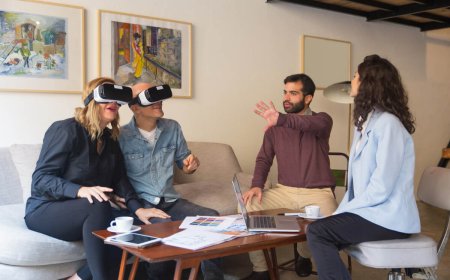
Technology Stations: Screens and conferencing tools seamlessly link in?office teams with remote participants.
By layering these strategies, companies foster innovation without compromising deep work.
Sustainable Materials and Practices
As environmental concerns gain urgency, businesses integrate green principles into corporate office interior design:
-
Recycled and Upcycled Furnishings: Chairs, desks, and dcor items made from reclaimed materials minimize waste.
-
Low?VOC Finishes: Paints and adhesives that emit fewer pollutants create healthier indoor air.
-
Energy?Efficient Lighting: LED fixtures and daylight sensors lower electricity use and costs.
-
Modular Design: Components that disassemble easily allow for future reconfiguration or recycling.
Adopting sustainable features not only reduces a companys carbon footprint but also resonates with eco?conscious employees and clients.
Creating Brand?Aligned Environments
An office space serves as a physical manifestation of a companys values. Corporate office interior design weaves brand identity into every corner by:
-
Displaying signature colors on accent walls, furniture, or artwork
-
Showcasing mission statements and success stories on vinyl graphics
-
Incorporating custom wayfinding that echoes the brands typography and imagery
-
Curating amenity areascafs, game rooms, or librariesthat reflect the firms personality
This alignment reinforces company culture, galvanizes employees, and impresses visiting clients.
Measuring the Impact
Investments in corporate office interior design deliver measurable benefits:
-
Employee Satisfaction: Surveys often reveal higher well?being scores in thoughtfully designed environments.
-
Space Utilization: Usage analytics track how different zones perform, guiding future adjustments.
-
Recruitment Metrics: Firms report increased candidate interest for offices that blend style and function.
-
Productivity Data: Time?tracking and output measurements frequently show gains when teams work in optimized spaces.
By monitoring these indicators, organizations refine their design strategies and maximize return on investment.
Implementation: From Concept to Completion
Executing a successful design project follows a clear roadmap:
-
Needs Assessment: Interview stakeholders and survey employees to identify priorities.
-
Concept Development: Produce mood boards, floor plans, and material samples.
-
Budgeting and Scheduling: Align design ambitions with financial constraints and timeline.
-
Construction and Installation: Coordinate contractors, IT teams, and furniture vendors to execute the plan.
-
Post?Occupancy Evaluation: Gather feedback and performance data, then fine?tune elements for optimal results.
This structured approach ensures corporate office interior design projects stay on track and deliver promised outcomes.
Conclusion
Corporate office interior design no longer serves only decorative aims. It drives productivity, well?being, and brand differentiation in an era defined by hybrid work and environmental responsibility. By embracing adaptive layouts, sustainable materials, and technology integration, modern businesses craft inspiring environments that meet evolving needs. As professionals reenter offices in new ways, strategic design choices pave the path to innovation, engagement, and long?term success.